Optical Illusion
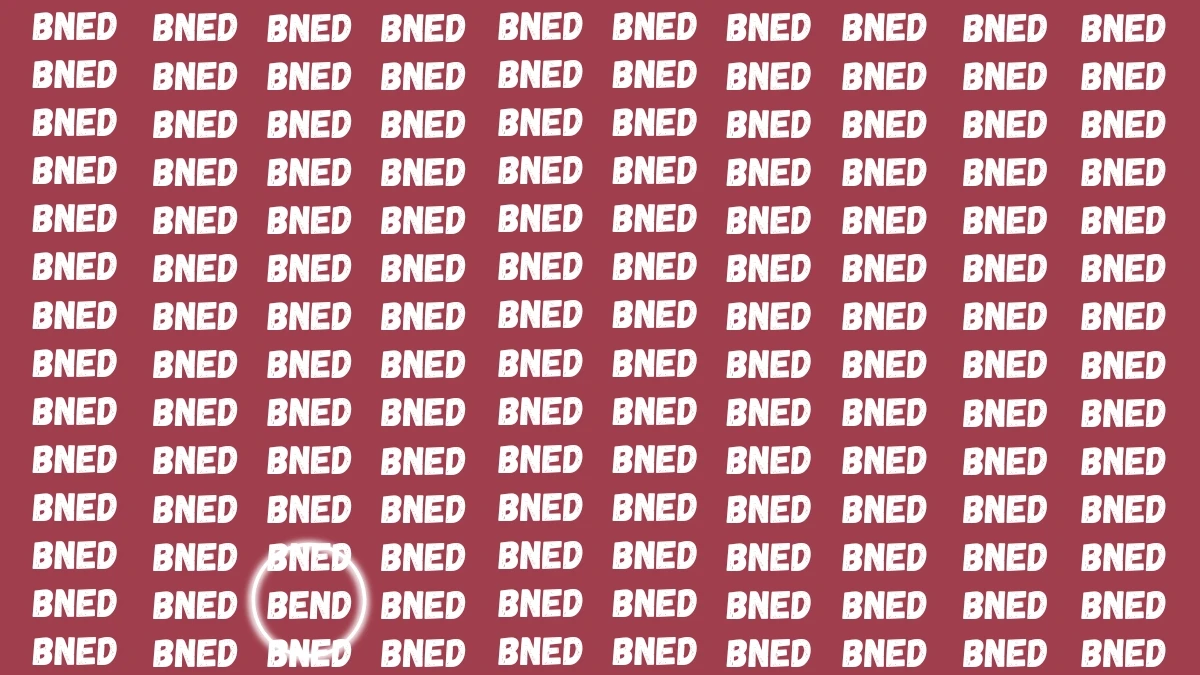
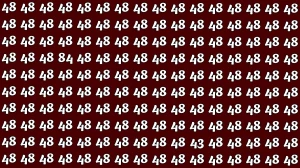
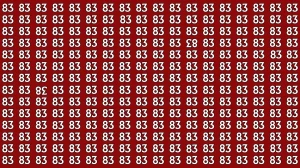
Think you have a sharp eye? Put your observation skills to the ultimate test! In this tricky optical illusion, the word “BEND” is cleverly hidden, and spotting it isn’t as easy as it seems.
Can you find it in just 6 seconds? Only those with truly keen eyes will succeed—are you up for the challenge?
Optical Illusion: Only Sharp Eyes Can See the Hidden Word BEND in 6 Seconds
This optical illusion challenges your brain and eyes at the same time. At first glance, the image may appear to be just a random arrangement of lines, shapes, or patterns but hidden within is the word “BEND.”
Our brains are wired to recognize familiar patterns, but illusions like this exploit the way we process visual information.
The overlapping shapes, contrasting colors, or distorted lines make it difficult for the eye to immediately detect the hidden word, forcing your brain to work harder to decipher it.
The challenge of finding “BEND” in just 6 seconds tests not only your eyesight but also your attention to detail and focus. Even small shifts in perspective or concentration can make the hidden word pop out.
Optical illusions like this are a fun way to sharpen observation skills, improve cognitive function, and marvel at the fascinating ways our brain interprets visual stimuli.

Optical Illusion: Only Sharp Eyes Can See the Hidden Word BEND in 6 Seconds - Solution
It appears that you are referencing a puzzle involving the word "BEND" within a grid filled with the word "BNED." Based on the image you’ve shared, "BEND" is located in the second row from the bottom and the third column from the left.
To solve this, you need to locate the correct position of the word "BEND" amidst the surrounding "BNED" text. This can be seen as a hidden word puzzle where you search for a word by identifying it from a series of repeated letters.
In this case, the grid you provided shows the word "BEND" clearly visible among the repeated "BNED" words.
The key to solving these types of puzzles lies in systematically scanning the grid, row by row or column by column, to identify a sequence that breaks from the repeating pattern.